How Mayors Can Raise Public Safety Standards with AI
Mayors can raise public safety standards with AI. Better documentation, faster reporting, improved transparency. See how AI transforms police operations.


Inspection work follows a frustrating pattern. You observe something in the field. You jot down notes. You take photos. Then you return to the office and type everything up again—often hours or days later, when details have faded and you're reconstructing from memory.
This double-entry problem isn't just annoying; it's a serious issue.
It wastes time, introduces errors, and pulls skilled inspectors away from the work that actually matters. Fire inspectors, code enforcement officers, EMS crews, and police all face the same documentation burden: capturing information once isn't enough, because their systems require it to be entered twice.
One-Shot Reporting changes that equation entirely—and it's how forward-thinking agencies reduce paperwork across the board.

One-Shot Reporting captures everything—voice, photos, and context—in a single pass, then automatically generates a structured draft report without manual re-entry.
The concept is straightforward: instead of taking notes that you'll later transcribe, you speak your observations aloud while documenting visually. AI processes the audio alongside any captured images, understands the context, and produces a formatted report that meets your agency's requirements.
You capture once. The system does the rest. No retyping. No reconstructing from memory. No evenings spent writing up what you saw that morning.
For inspectors who've spent careers doing double-entry, this feels almost too simple. But the technology has matured to the point where voice-to-report automation actually works—with 90-95% transcription accuracy and the ability to structure output according to specific compliance formats.
Inspectors typically spend 30-50% of their working hours on documentation rather than actual inspection work—and most of that time is redundant data entry.
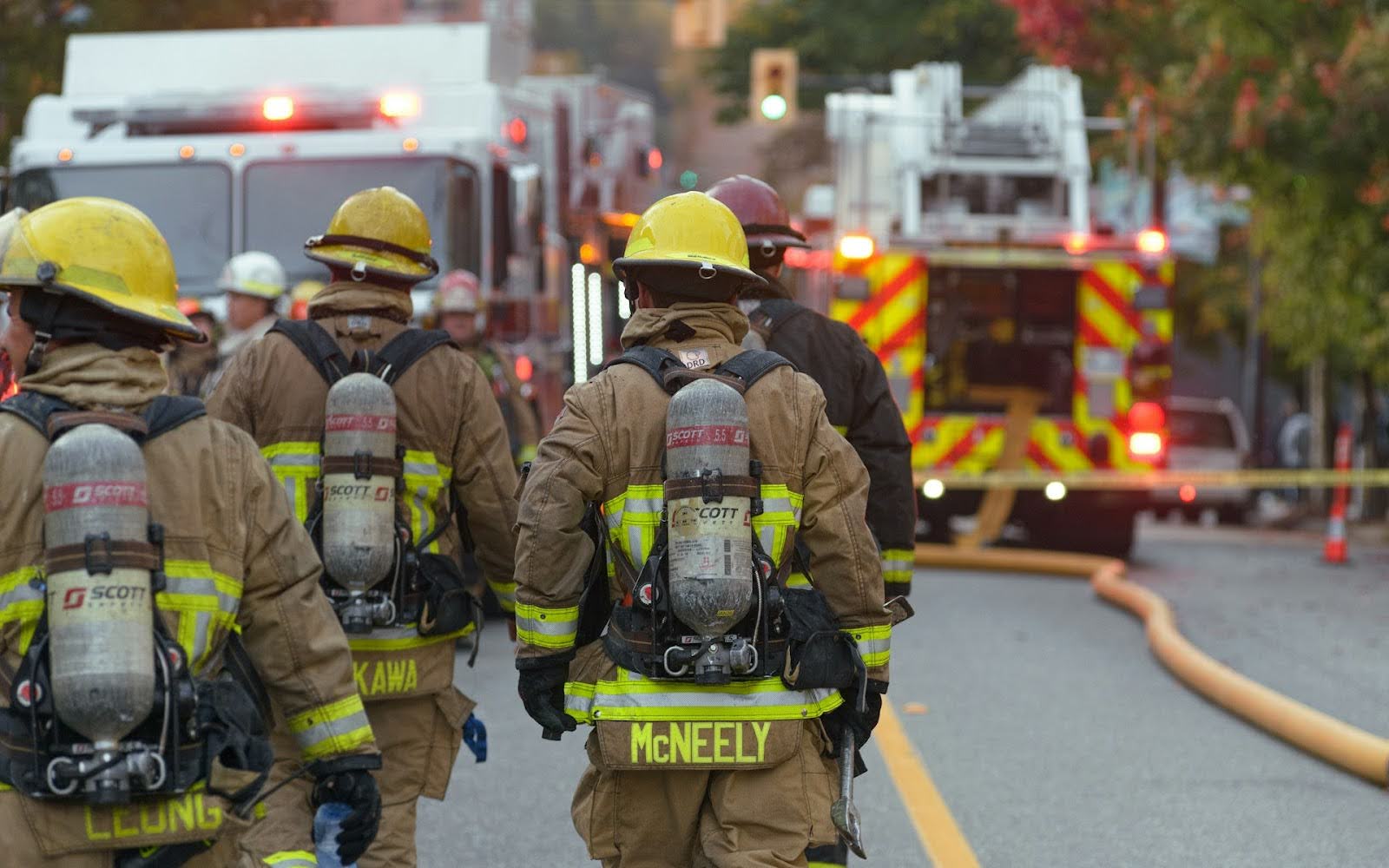
Consider what happens in a typical fire inspection. The inspector walks through a facility, checking extinguishers, sprinkler systems, alarms, and egress routes. They take notes on a clipboard or tablet. They photograph deficiencies. They mark up a checklist.
Then they return to the office and enter all that information into a reporting system. They reference their notes to write narrative sections. They upload and tag the photos. They format the document for compliance. A job that took two hours in the field requires another hour or more at the desk.
This pattern repeats across industries. EMS crews document patient encounters twice—once in the field, once in the PCR system. Police officers narrate body camera footage, then write reports covering the same events. Code enforcement officers photograph violations, then describe those same violations in writing.
The redundancy is built into the process. Report automation through One-Shot Reporting eliminates it.
AI transcribes spoken observations in real time, identifies relevant details, and organizes them into compliant report formats—all before you leave the site.
The technology combines several capabilities that have only recently become reliable enough for professional use. Speech recognition converts voice to text with high accuracy even in noisy environments. Natural language processing identifies what information belongs in which report sections. Template systems ensure output matches NFPA, NEMSIS, or other compliance requirements.
While walking through a facility, an inspector speaks observations and verbally tags them with their own key phrases—"Flag, fire extinguisher in hallway B needs servicing, expired tag dated March 2024"—the system captures that statement, identifies it as a key finding, and slots it into the appropriate section of the final report.
Photos taken during the inspection are automatically associated with the relevant observations. GPS and timestamps provide verification. The result is audit-ready public safety reports before the inspector even reaches their vehicle.
Any inspection process that currently requires field notes followed by office documentation can benefit—including construction and business inspectors and specialized field inspectors such as fire safety, code enforcement, EMS, and police operations.
AI for fire departments is a natural fit.
Technicians checking alarms, sprinklers, extinguishers, and suppression systems can narrate findings as they go. The AI handles NFPA compliance formatting and tracking. Proposal generation can begin immediately rather than waiting for paperwork to make its way back to the office. Need photos integrated into your report, verbalize that “moment” and then grab the screen shot, search for it and then insert it exactly where it is needed in your report.
Code enforcement officers face similar documentation requirements. Violations need photographs, descriptions, and proper citations. One-Shot Reporting captures all three in a single site visit, with reports ready for property owners the same day rather than days or weeks later.
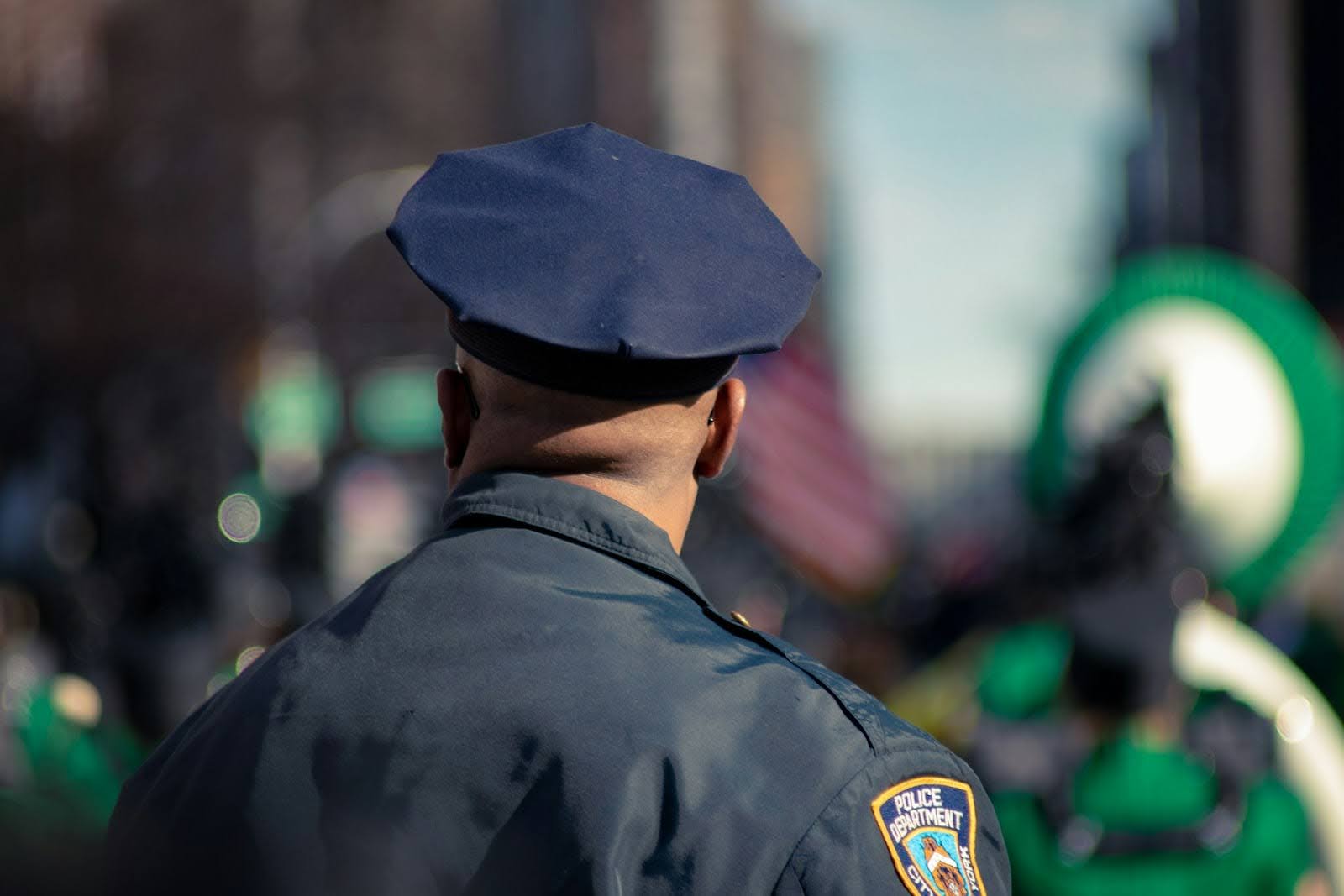
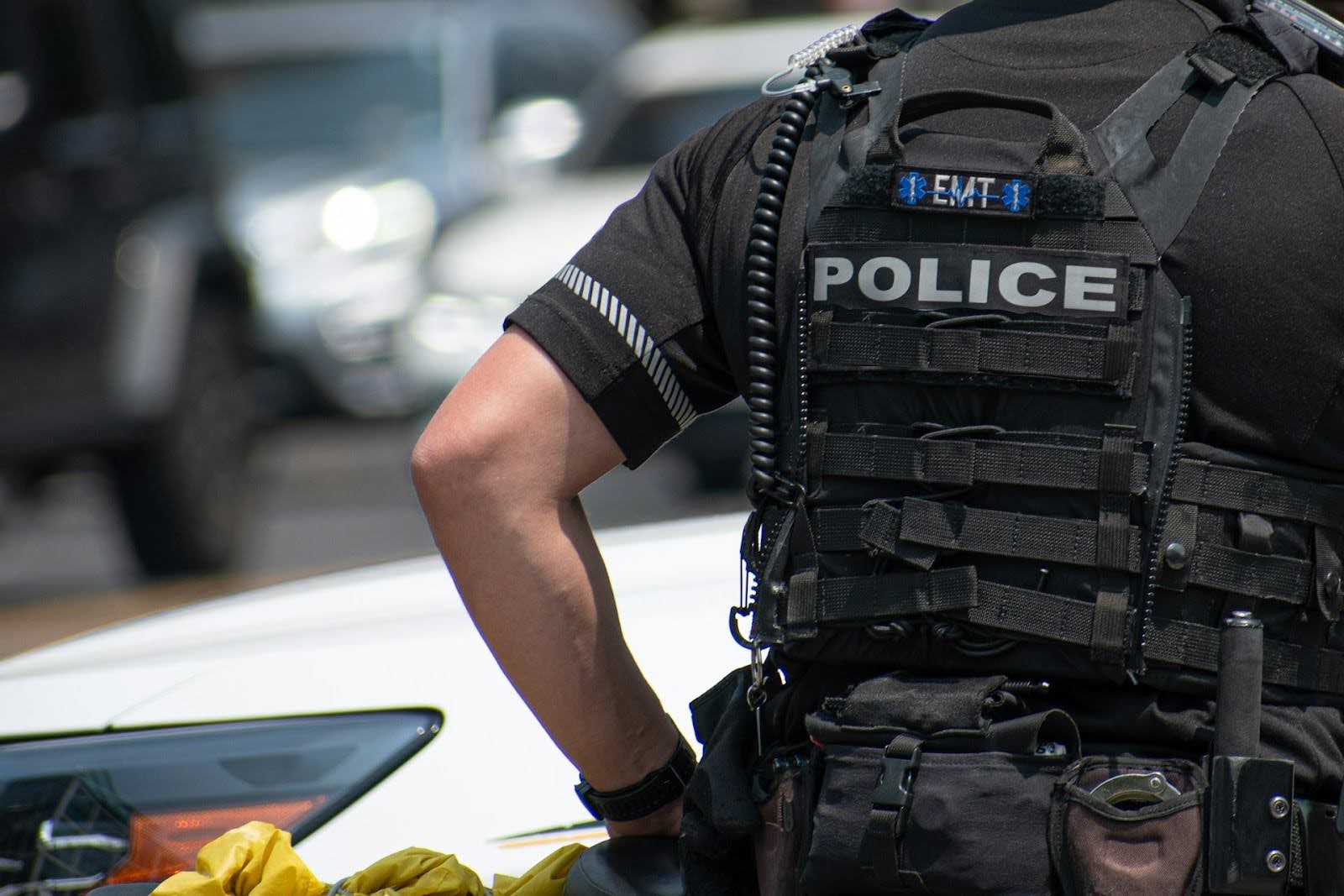
EMS providers can narrate patient care activities during calls, generating PCR documentation that meets NEMSIS standards without post-call typing. Police officers can let body camera footage drive report generation through AI body camera analysis, adding verbal observations that become searchable documentation.
The common thread is eliminating the gap between observation and documentation.
Agencies report 40-50% reductions in total documentation time, with some inspectors completing reports before leaving the inspection site entirely.
The math depends on current processes. An inspector spending two hours per day on paperwork might recover one hour through automation. An agency with heavy compliance requirements might see even larger gains because formatting and section assignment happen automatically.
But time savings are only part of the value. Reports generated on-site reflect what inspectors actually observed, not what they remember hours later. Accuracy improves. Consistency improves. The quality of documentation goes up even as the time investment goes down.
For agencies struggling with staffing shortages—which describes most fire departments and police agencies today—recovering inspector hours through documentation automation means more inspections completed with existing personnel. It's a cost-effective public safety solution that delivers immediate results.
Implementation is straightforward: existing cameras and devices capture audio, AI processes the content, and draft reports appear in your workflow within minutes.
The technology integrates with equipment agencies already own.
Body cameras, dash cameras, and mobile devices all capture the audio that drives report generation. There's no new hardware to purchase, no complex installation, no disruption to existing operations.
Agencies typically start with a pilot program—a handful of inspectors trying the system on real inspections while their colleagues continue with traditional processes. The results speak for themselves: faster report completion, improved accuracy, and inspectors who can focus on what they were hired to do.
Ready to eliminate double-entry from your inspection workflow? Request a demo and see One-Shot Reporting in action.